

Search the middle of everything...

Shedd Aquarium
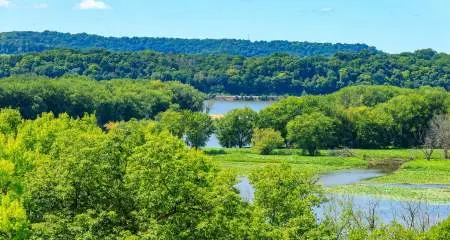
Casper Bluff River and Trees

Native American Heritage in Illinois’ Landscapes

Arts, Culture & History

4 Days 740 Miles

Highlights

Galena, Peoria, Champaign, Springfield, Quincy, Mississippi River Valley, Southern Illinois

The story of Illinois began long before it was ever known as "Illinois," and its beginnings are still here for you to discover. Find them in ancient mounds, rock carvings and artifacts left behind by Native peoples who called this region home through thousands of years.

This four day journey across Illinois takes you from the north of Illinois to its deepest south; from scenic bluffs alongside the Mississippi River to rolling hills and river valleys. All the way, it invites you to dive into the long history and deep cultural roots that exist within this region.

Day 1:

From Galena to Peoria

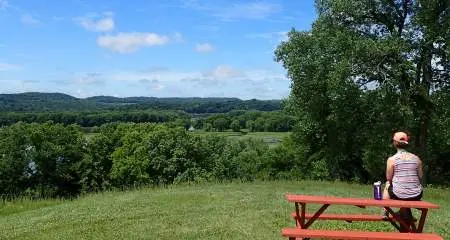
  • A person sitting on a picnic table looking out to land and trees

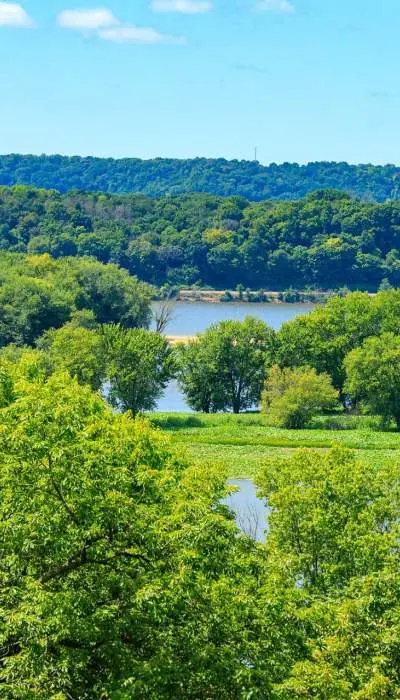
The journey begins in Galena. It's known for its more recent historic charm, but the scenic bluffs that surround it hold secrets much older than that. Start at Casper Bluff Land and Water Reserve, where walking trails with striking panoramic views allow you to see the remains of ancient Native American mounds perched above the Mississippi River. 

Next, you'll head south to Albany Mounds State Historic Site. Across 205 acres of riverside prairie, you'll find more than 90 burial and ceremonial mounds that have been here for over 2,000 years. As the site's newest visitor, think about the long history that stretches back from where you now stand across countless generations.

That's not the end of your archaeological discoveries for the day. In the afternoon, continue on to Dickson Mounds Museum in Lewistown, situated at one of the most significant Native American archaeological sites in Illinois. The museum takes you into the daily lives of the Mississippian people who lived along the Illinois River through displays of tools, pottery, and artifacts.

Your first day ends in Peoria, at the Peoria Riverfront Museum. It's another chance to see Native American artifacts that highlight the artistry and craftsmanship of Illinois' first peoples. Afterward, enjoy a stroll along the Peoria riverfront, reflecting on the day as the sun sets over the Illinois River, as it has for countless generations
Day 2:

Champaign, Springfield, and Quincy

  • The exterior of a large building

On your second day, there's even more history to explore. You'll end the day in Quincy, but first, you have a choice: travel via Champaign, or through Springfield.

In Champaign, your first stop would be the Spurlock Museum of World Cultures' Native American Gallery at the University of Illinois. Here you'll get an even broader picture of Indigenous life, as you examine replica tools, ceremonial objects, and traditional clothing that reveal the everyday lives and spiritual practices of Native communities across North America.

Next in Champaign, the Krannert Art Museum. Here, the historical and contemporary Native American art ranges from centuries-old pottery to modern works by Indigenous artists, showing you how cultural traditions have both evolved, and stayed true.

If you have some extra time to spare and don’t mind a slight detour on your way to Quincy, consider visiting Driftstone Pueblo in St. Elmo. This unique Native American store offers a wide selection of authentic jewelry, pottery, and crafts from Indigenous artists. It’s a rewarding stop for anyone interested in exploring Native art and culture beyond the usual route. 

If you opt for the Springfield route, be sure to stop at the David Strawn Art Gallery in Jacksonville. It often features Native American crafts, full of the artistry and skill passed down through generations.

Once you arrive in Quincy, make your way to Indian Mounds Park. The people of Quincy have long protected these treasures, and today, you can take a self-guided tour of the park's eight mounds, supported by exhibits and interpretive panels.

Day 3:

Mississippi River Valley

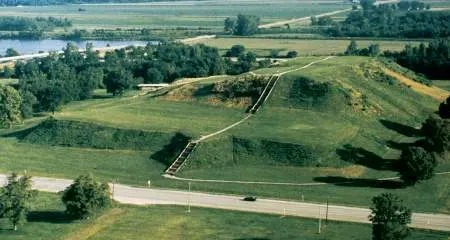
  • Green fields of the State Historic Site Cahokia Mounds

More travelers than you could ever imagine have navigated the shores of the Mississippi River, and today it's your turn. The sites here show how the river shaped and nourished the communities that have called the region home.

Start at the Piasa Bird mural, just 1 mile west of Alton Visitors Center. This massive painting on the limestone bluffs is a modern reimagining of an ancient image that once adorned the cliffs. It’s a striking example of the storytelling traditions of the region's Native peoples.

Most people are familiar with the Lewis & Clark story, and it's told well at the Lewis & Clark State Historic Site in Hartford. But here you'll also learn the stories of the Native American guides and interpreters who were essential to the expedition's success, helping Lewis & Clark navigate the vast, unfamiliar terrain. It'll give you a whole new understanding of the history you thought you already knew.

In the afternoon, it's one of the true highlights of your journey; a jewel in the crown of Native American history, Cahokia Mounds State Historic Site in Collinsville. This UNESCO World Heritage Site was once the largest settlement in what is now the United States and may have had a population that rivalled those of London and Paris at the time. Though the Interpretive Center is currently under renovation, the site's mounds and plazas are still open for exploration. Climb Monks Mound, the largest earthen structure in the Americas, and imagine all the life and activity that once stood around you, and the influence that spread from here across the continent.

You've experienced thousands of years of history today, so it's about time to settle in for the night in Collinsville. But before you do, swing by Grafton for a visit to Pajarito, a shop featuring Native American-made jewelry, pottery, and crafts. It's a great opportunity to support Indigenous artists and take home a meaningful piece of the region's cultural heritage.

Day 4:

Southern Illinois

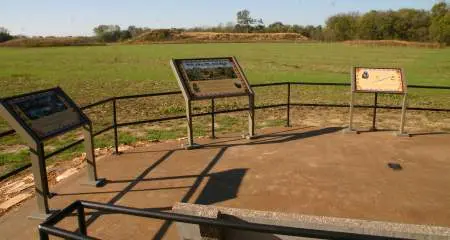
  • Kincaid Kiosk and Mound

The final day of your journey will take you to Southern Illinois. Begin at Piney Creek Ravine State Natural Area near Chester, where sandstone bluffs hold ancient petroglyphs carved by Native peoples. These rock carvings (depicting animals, people, and geometric shapes) give you a glimpse of the spiritual and ceremonial life of those who lived here many centuries ago.

Next, visit Shawnee National Forest’s Hamburg Hill, part of the Trail of Tears National Historic Trail. Walk a preserved section of the trail where deep ruts forged by wagon wheels and countless footsteps mark the path taken by thousands of Cherokee people during their forced relocation in the 1830s. It’s a powerful reminder of resilience and courage.

From there, head east to Millstone Bluff in Pope County. Climb to this prehistoric village site and enjoy views of the surrounding forest. Along the trail, you’ll encounter rock art, a stone fort, and burial mounds that speak to the area's rich history.

Finish your day with a visit south to Kincaid Mounds State Historic Site in Brookport, once a major political and ceremonial center of the Mississippian culture. The mounds where the area’s leaders lived remain visible, and interpretive signs provide deeper insight. Amid the quiet surroundings, you’ll truly feel the significance and power of this sacred place.

You’ve seen a lot of sights and heard many stories. The mounds, rock carvings, and artifacts all serve as reminders of the people and experiences that shaped this region’s history. But that history is still alive today, carried on through the traditions, art, and spirit of those who continue to honor and preserve these sacred places. And when you share your visit, you help keep their stories alive, too.

Back to Road Trip Itineraries

More recommendations

Where to next?

Subscribe to Our Newsletter

Get inspired by top travel stories, gain access to exclusive promotions and contests, and discover even more reasons to #EnjoyIllinois.